
By: Megan Boyer
Editor’s Note: October marks both National Breast Cancer Awareness Month and National Pregnancy and Infant Loss Awareness Month. According to the National Breast Cancer Foundation, Inc., about 1 in 8 American women will be diagnosed with breast cancer in their lifetime. Today, we feature a piece written by former FACTS elective participant, Megan Boyer, who summarized a 2012 review published in the Asian Pacific Journal of Cancer Prevention that explored the relationship between breastfeeding and the risk of breast cancer. For the next several weeks, we will feature research and interviews that address the important and sensitive topic of pregnancy and infant loss. To learn more about breast cancer and the important role of fertility awareness-based methods and breastfeeding, check out a patient story here, and another research review here.
Introduction
Breastfeeding has been proven time and time again to be the best source of nutrition for almost every infant. The American Academy of Pediatrics (AAP), American Academy of Family Physicians (AAFP), American College of Obstetricians & Gynecologists (ACOG), and World Health Organization (WHO) all support and encourage breastfeeding [1]. These organizations have contributed significant evidence supporting the immunological, neurodevelopmental, and long-term health benefits observed in breastfed newborns. Though studies provide strong evidence of breastfeeding’s benefit to babies, we know less about the potential health benefits to mothers. Is “breast still best” when it comes to mom’s health?
The Answer is Yes!
Research continues to shed light on the maternal benefits of breastfeeding. One significant benefit is a decreased risk of developing gynecologic cancers, including ovarian, uterine, and breast cancers.
Breast cancer is a multifactorial disease impacted by family history, genetics, environmental exposures, and individual reproductive history. Women with a first degree relative with breast cancer are at the highest risk. Additionally, women who experience early menarche, nulliparity, first pregnancy after age 30 or late menopause are also at higher risk, as are women who use oral contraceptives or hormone replacement therapy [1]. Breastfeeding has been shown to reduce the risk of breast cancer and, although the exact mechanism is not known, leading theories propose protection is derived from the differentiation of breast tissue and a reduction in the lifetime number of ovulatory cycles. When women practice ecological breastfeeding or utilize the Lactational Amenorrhea Method (LAM), they may further delay the return of ovulation and therefore lower their risk of breast cancer.
During pregnancy, levels of women’s hormones, including estrogen, progesterone, and prolactin, are significantly increased. After pregnancy, prolactin levels remain elevated, especially if a woman is breastfeeding. Prolactin production is responsible for the differentiation and development of mammary tissue, spurring the mammary gland production of milk. It is stimulated by the newborn suckling at the breast. Prolactin also secondarily suppresses the release of gonadotropin-releasing hormone (GnRH), luteinizing hormone (LH), and follicle stimulating hormone (FSH), which leads to a state of oligoovulation or anovulation [3].
Studies by Ip et al. in 2007 demonstrated a statistically significant reduction in breast cancer rates (4.3%) per each year of breastfeeding [1]. In 2000, Bernier et al. performed a meta-analysis of 25,871 cases and 44,910 controls across 23 previous case studies. These researchers found a “small, but statistically significant” reduction of risk of breast cancer in women who breastfed compared to those who did not. Further stratification of cases revealed that breastfeeding for longer than 12 months further decreased risk of breast cancer [1]. While this study did not propose a specific mechanism for protection, it showed a statistically significant correlation between breastfeeding and a reduction in breast cancer risk.
“Breastfeeding for longer than 12 months further decreased risk of breast cancer.”

The Immune Benefits of Breastmilk
Immunologic mediators including IgA, cytokines, such as IL-2, IL-8, TNF-alpha, and antimicrobial enzymes, are all known components of breast milk [2]. Multiple studies show specific protection against gastrointestinal and respiratory tract infections in breastfed newborns. A 2017 study even found reduced risk of lower respiratory tract infections in preschool-aged children who had been breastfed for at least six months as compared to children who had not been breastfed at all or were breastfed for less than six months [4]. The study suggested the immunologic protection conferred through breastfeeding transcends the newborn period and may provide long-term health benefits to children.
Breast milk also may present immune benefits to mothers. Emerging evidence suggests immunologic factors present in breastmilk may also be integral in providing protection to maternal mammary cells. One component of breast milk responsible for these unique properties is alpha-lactalbumin, which has been implicated in tumor cell death through a complex known as HAMLET (a human milk complex of alpha-lactalbumin and oleic acid). The complex induces cellular and bacterial apoptosis of abnormal cells. Studies using cell lines derived from lung carcinomas noted morphologic changes in cell shape, condensation of nuclear material, cytoplasmic blebbing, and formation of apoptotic bodies when exposed to a milk fraction containing alpha-lactalbumin. In vivo studies with dermal papillomas and bladder carcinomas have continued to support the anti-tumor effects of HAMLET [1].
“Emerging evidence suggests immunologic factors present in breastmilk may also be integral in providing protection to maternal mammary cells.”
In vitro studies using mouse models have also shown evidence of HAMLET’s exciting potential to reduce cancer risk, specifically regarding breast cancer. Plastic pellets containing HAMLET were implanted into mammary tissue of lactating mice [1]. Researchers found that HAMLET’s apoptotic, anti-tumor effects are specific and therefore of potential clinical significance, though further research is needed to explore protection against breast cancer with breastfeeding.
As we continue to learn and understand more about the maternal benefits of breastfeeding, from its family planning applications with LAM to health benefits, it is critical that clinicians continue to provide support and encouragement to new mothers. Providing insight into the benefits of breastfeeding on both maternal and infant health could be a significant motivator in encouraging a woman to initiate and continue breastfeeding, not just for her baby’s health, but for her own health as well.
References
[1] do Carmo França-Botelho A, Ferreira MC, França JL, França EL, Honório-França AC. Breastfeeding and its relationship with reduction of breast cancer: a review. Asian Pac J Cancer Prev. 2012;13(11):5327-5332.
[2] Infant benefits of breastfeeding – UpToDate. https://www-uptodate-com.ezproxy.liberty.edu/contents/infant-benefits-of-breastfeeding?search=benefits of breastfeeding&source=search_result&selectedTitle=1~150&usage_type=default&display_rank=1. Accessed January 28, 2021.
[3] The physiological basis of breastfeeding – Infant and Young Child Feeding – NCBI Bookshelf. https://www.ncbi.nlm.nih.gov/books/NBK148970/. Accessed February 3, 2021.
[4] Tromp I, Jong JK De, Raat H, et al. Breastfeeding and the risk of respiratory tract infections after infancy: The Generation R Study. PLoS One. 2017;12(2). doi:10.1371/journal.pone.0172763.
ABOUT THE AUTHOR
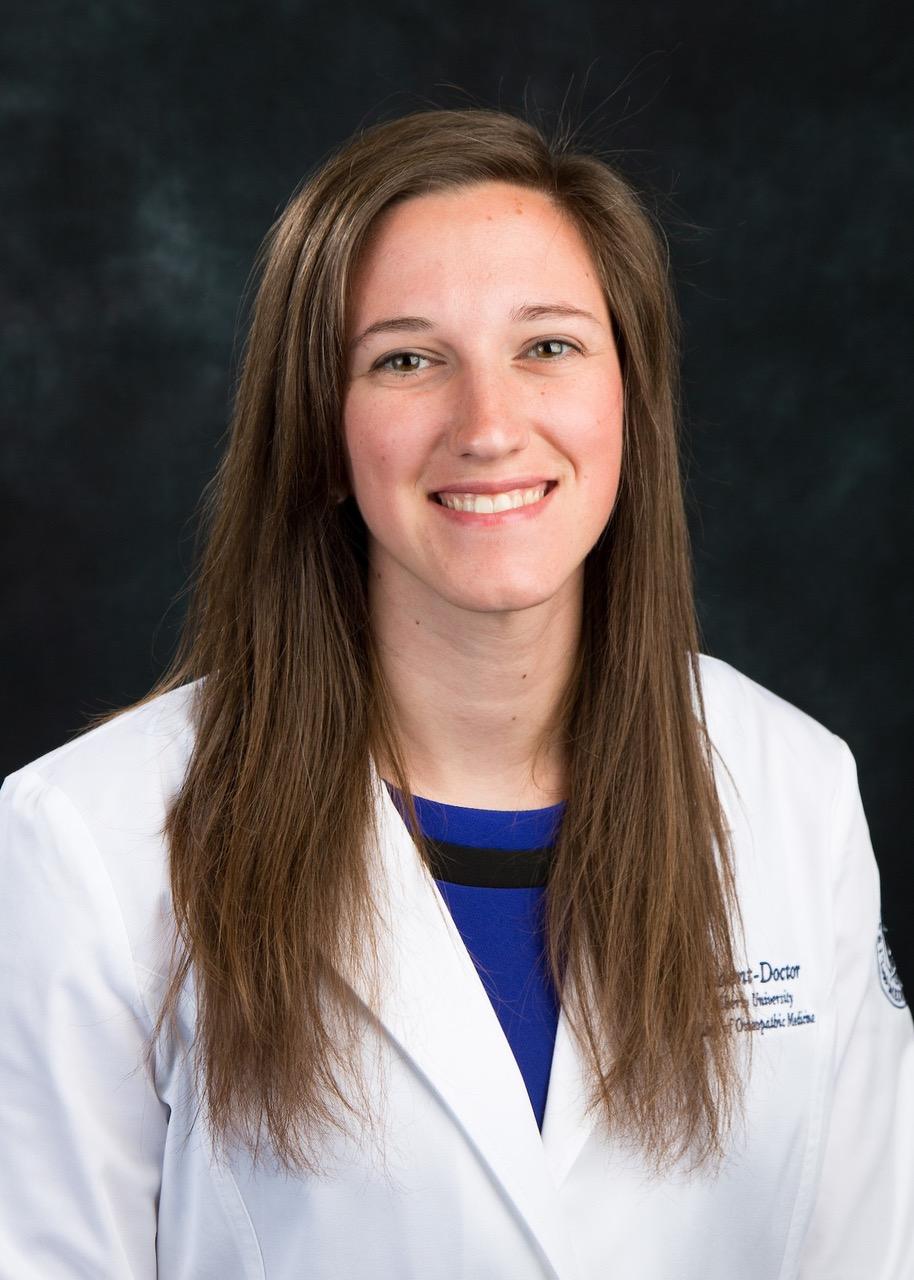
Megan Boyer, DO
Megan Boyer, DO is a PGY-2 resident in Obstetrics & Gynecology at University of Pittsburgh Medical Center (UPMC) Harrisburg in Harrisburg, PA. Megan participated in the FACTS elective during her fourth year of medical school. She had initially become interested in FABMs as a way to positively impact medical management of a variety of gynecologic conditions and as an additional tool to offer patients in achieving their reproductive/family planning goals. After residency, Megan is interested in pursuing fellowship in Gynecologic Oncology.
Inspired by what you read?
You can support the ongoing work of FACTS here. To connect with a member of our team, please email development@FACTSaboutFertility.org. Interested in becoming an individual or organizational member? You can learn more and register here. To discuss with a member of our team, please email membership@FACTSaboutFertility.org.