

By Jacob Nguyen
Editor’s Note: This article offers a thoughtful synthesis of emerging evidence comparing restorative reproductive medicine (RRM) and in vitro fertilization (IVF), highlighting how fertility awareness-based approaches can function as both diagnostic and therapeutic tools in infertility care. Jacob Nguyen summarized the original research study by Boyle et al., while taking the FACTS elective, highlighting key findings on pregnancy, live birth outcomes, and the role of treating underlying physiologic dysfunction in restoring fertility. This piece also prompts broader clinical questions about integrating restorative approaches earlier in care and shaping the way infertility is evaluated and managed, particularly in a landscape where many patients seek options that align with both evidence-based practice and whole-person care. To learn more about fertility awareness-based methods (FABMs) and their clinical applications from Dr. Boyle directly, sign up TODAY for our FACTS-NeoFertility cohort or check out some of his presentations on our Sample Our CME page.
Introduction
Infertility affects approximately 1 in 6 adults during their reproductive lifetime. [1] While IVF is often considered the gold standard in fertility treatment, its financial, emotional, and medical burdens are substantial to the patient. Many couples discontinue IVF despite insurance coverage due to stress or complications. [2] Restorative reproductive medicine (RRM) offers an alternate paradigm: Rather than bypassing physiological dysfunction, it seeks to diagnose and correct underlying reproductive issues using cycle charting (a fertility awareness method), targeted interventions, and timing of intercourse.
While IVF is often considered the gold standard in fertility treatment, its financial, emotional, and medical burdens are substantial to the patient.
The study by Boyle et al. examines whether outcomes from a dedicated RRM clinic cohort parallel outcomes seen in 2019 CDC IVF registry data, while evaluating maternal and live birth outcomes. [3] This work is relevant to fertility awareness because it places ovulatory menstrual cycle biomarkers and informed fertility education at the core of diagnosis and therapy, rather than as adjuncts.
Methodology
This study was a retrospective analysis of infertile couples who entered a restorative reproductive medicine (RRM) program in 2019 at a Dublin fertility clinic. [3] Of the 249 couples who initially presented for consultation, 187 went on to complete treatment and follow-up. The average age of female participants was 36.4 years. Many couples had been experiencing infertility for more than two years, and 19% had previously undergone IVF.
The RRM protocol was structured in three phases: evaluation, treatment, and attempting conception. During the evaluation phase, couples used a fertility charting app called ChartNeo to track cervical mucus patterns and basal body temperature. This was combined with hormonal testing and imaging to identify underlying conditions such as PCOS, thyroid disorders, endometriosis, and luteal phase defects.
In the treatment phase, care was individualized based on identified pathologies. Interventions included medical, surgical, lifestyle, and nutraceutical approaches. When appropriate, patients received ovulation induction aimed at producing a single follicle, progesterone supplementation, or metabolic therapies such as metformin. Once these factors were optimized, couples entered the conception phase, during which they attempted up to 12 cycles of timed intercourse guided by biomarker-identified fertile windows.
In the treatment phase, care was individualized based on identified pathologies. Interventions included medical, surgical, lifestyle, and nutraceutical approaches.
The primary outcomes measured were rates of conception and live births per couple. Neonatal outcomes included twin rates, preterm birth, and low birth weight. These results were compared with 2019 IVF registry data from sources in the United States and the United Kingdom. These comparisons were descriptive and observational with basic subgroup statistical analysis.
Results
Among the 187 couples who completed treatment, 98 (52%) achieved pregnancy and 77 (41%) had a live birth, resulting in 79 infants—75 singletons and two sets of twins. [3]
For singleton births, the mean birth weight was 3,422 grams (7.5lbs), and the average gestational age was 39 weeks. Preterm birth occurred in 4% of cases, and low birth weight in 5%, with no very preterm births reported.
When compared with IVF outcomes, the 41% live birth rate achieved over the course of up to 12 cycles of RRM is comparable to the cumulative live birth rates typically seen after one IVF retrieval followed by multiple embryo transfers. The twin rate in the RRM group was 2.6% per live birth, which is notably lower than what is commonly reported with IVF.
Preterm birth occurred in 6.5% of RRM pregnancies overall, compared to approximately 14% in IVF data. Among singleton births specifically, preterm birth occurred in 4% of RRM cases compared to 11.8% in IVF singletons.
In terms of sustained fertility, among couples who had one successful birth, 74% went on to conceive a second child naturally while continuing under RRM care.
Discussion
This study exemplifies how fertility awareness becomes a clinical tool, not just educational content. By using cycle biomarkers as dynamic diagnostics to guide the treatment of the root causes of subfertility, RRM can achieve comparable live birth rates with lower preterm births and twin rates than IVF. [4] The comparison with IVF suggests that a patient-centered, physiology-based approach can yield meaningful pregnancy outcomes while minimizing risks of multiples, preterm birth, and low birth weight.
By using cycle biomarkers as dynamic diagnostics to guide the treatment of the root causes of subfertility, RRM can achieve comparable live birth rates with lower preterm births and twin rates than IVF.
Strengths of this study include real-world clinical data with detailed neonatal outcomes, clear protocols integrating fertility charting with medical and surgical therapy, and benchmarking against national IVF data. However, it is limited by its retrospective, single-clinic design and potential selection bias (with dropouts not included). The IVF comparison is observational, and differences in patient populations or underlying fertility may confound results. The time to pregnancy is longer than in IVF and the patient burden, such as charting and frequent evaluations, may limit broader applicability.
These data reinforce that infertility is often a symptom of underlying physiologic or metabolic dysfunction—not merely a barrier to overcome. [4] It suggests that in many cases, treating those dysfunctions restores fertility more sustainably than bypassing them. The significant rate of natural second pregnancies also raises the question: Could integrating fertility awareness and restorative approaches before standard IVF improve outcomes or reduce complication rates?
Remaining considerations include identifying which patient subgroups are best suited to RRM and which may benefit from proceeding more directly to IVF, such as those with tubal disease or very low ovarian reserve. Another important area is understanding cost-effectiveness when accounting for the time involved, diagnostic testing, and various interventions required throughout care. The scalability of RRM across diverse clinical settings also remains an open consideration, particularly in terms of training, resources, and workflow integration. In addition, comparing patients’ psychological experiences and overall satisfaction between RRM and IVF is an important dimension that warrants further exploration.
Future research should include prospective, multi-center cohorts to validate outcomes in diverse populations. In addition, comparative studies or trials with matched controls could reduce bias in RRM versus IVF comparisons. Cost-effectiveness evaluations and patient-reported outcomes of stress, compliance, and quality of life are also critical. Implementation studies will help assess how fertility awareness-based restorative protocols can be introduced into standard infertility practice.
Overall, this article signals promise for RRM as a complementary to IVF or an alternative pathway in infertility care when integrated thoughtfully with fertility-awareness principles.
References
[1] Pedro J, Brandão T, Schmidt L, Costa ME, Martins MV. What do people know about fertility? A systematic review on fertility awareness and its associated factors. Ups J Med Sci. 2018.
[2] Domar AD, Rooney K, Hacker MR, Sakkas D, Dodge LE. Burden of care is the primary reason why insured women terminate in vitro fertilization treatment. Fertil Steril.
[3] Boyle PC, Toth A, Minjeur M, Turczynski C. Restorative reproductive medicine outcomes compared to in vitro fertilization for the treatment of infertility: a retrospective evaluation of a 2019 clinic cohort compared to one cycle of IVF. J Restor Reprod Med. 2025;1:e9.
[4] Duane M, Stanford JB, Porucznik CA, Vigil P. Fertility awareness-based methods for women’s health and family planning. Front Med.
ABOUT THE AUTHOR
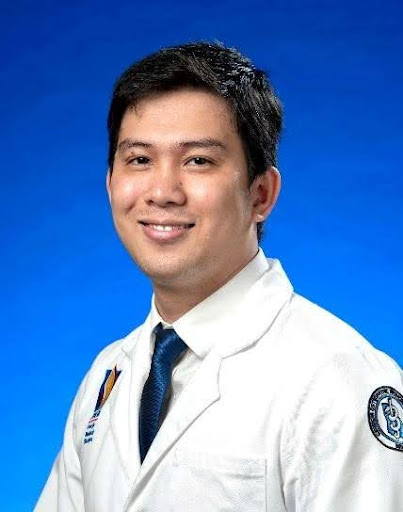 Jacob Nguyen is a fourth-year medical student at the Philadelphia College of Osteopathic Medicine Georgia and will begin his Family Medicine residency at Doctors Hospital of Augusta in July 2026. His clinical interests include primary care, reproductive health, infertility, and preventive medicine. He is especially interested in approaches that offer high-quality, affordable, and less invasive care, and hopes to improve access to fertility services through patient-centered, evidence-based treatment strategies. He pursued additional training in reproductive medicine through the FACTS elective to further understand fertility care and current treatment approaches.
Inspired by what you read?
You can support the ongoing work of FACTS here. To connect with a member of our team, please email development@FACTSaboutFertility.org. Interested in becoming an individual or organizational member? You can learn more and register here. To discuss with a member of our team, please email membership@FACTSaboutFertility.org.