
By: Stefanie Navarrete
Executive Director’s Note: Stefanie Navarette shares an enlightening interview that explores the connection between hormones and seizures, as well as the role a fertility awareness-based method can play in pinpointing the cause. Once again, it highlights how charting the female cycle can serve as the fifth vital sign by enabling a woman to identify the link between her symptoms and her cycle. Sadly, but not surprisingly, this woman’s doctor was dismissive of these findings, but through the FACTS elective we hope to train the next generation of physicians to fully appreciate the value of charting the female cycle with fertility awareness-based methods (FABMs).
Introduction
Ms. A was first introduced to fertility awareness-based methods (FABMs) of family planning when she searched the internet for alternative ways to prevent pregnancy. From the blogs she read, she found the Sympto-Thermal Method (STM) to be straightforward and was able to find an app she could use daily. She continued to use this method on and off throughout her early twenties.
When Ms. A was 28, she had a new onset of seizures that initially occurred at night. “I would wake up with bite marks on my tongue and would not have known what had happened if it was not for my boyfriend.” What she was experiencing was a post-ictal state, which is very common in seizures. She continued to have seizures and noticed they all would occur within a one-week time frame each month. After an emergency room visit, hospital stay, and numerous tests, her doctors were still unsure why she suddenly developed these seizures.
Ms. A had a history of polycystic ovary syndrome (PCOS) and her testosterone levels had been rising since she was 25 years old. Her gynecologist had previously recommended oral contraceptives and metformin, both of which Ms. A was hesitant to start. “I wanted to avoid taking additional hormones if possible and was scared of the side effects.” She deferred to different vitamins and supplements and changed her diet in hopes of improvement.
Catamenial Epilepsy
When Ms. A returned for her annual exam, she explained to her gynecologist that she had been seeing a neurologist for new seizures. With the pattern of her seizures, the neurologist had hypothesized they may be related to her hormones and menstrual cycle. “When the doctor explained catamenial epilepsy, I was surprised that hormones could even play a role in my seizures. I wish I had known earlier of the possibility.” Catamenial epilepsy occurs in women who have seizures related to their estrogen and progesterone levels. Estrogen promotes seizures and progesterone inhibits them. In a woman who has high estrogen, seizures occur in the premenstrual and preovulatory periods and decline in the midluteal phase when progesterone starts to increase. [1]
“When I spoke to my gynecologist, the solution she offered was oral contraceptives and I was frustrated, as I hoped there was another way. I had already been on anticonvulsant medication for a few months with mild improvement in my seizures. I did not want to start taking birth control without knowing if I really had catamenial epilepsy.” Ms. A searched for a way to determine if the seizures were truly linked to her hormones and realized her STM charts could help. She began charting her cycle consistently with the method and added her seizure occurrences.
“When I began charting consistently, I realized there had been many instances where I was not ovulating. I bought an ovulation test kit from the pharmacy to verify. I brought this information to my doctor, who said they would not change their management.” In women with anovulatory cycles, progesterone is low in the luteal phase, causing an increase in seizures during the premenstrual period.[1]

Learning Point
“After charting, I was happy that I was able to see the pattern between my cycle and my seizures. I was frustrated that it seemed like there was no evidence on the cause of my convulsions until then.” Ms. A wishes her doctors would have recommended charting her menstrual cycle, especially given the possible diagnosis of catamenial epilepsy. “I was surprised to see how dismissive they were. It is such an easy way to really understand your body, and I wish more physicians would recommend it.”
Ms. A continues to work with her physicians on finding the best regimen for her. Currently, there is no specific treatment for catamenial epilepsy.[1] After our interview, I explained to her that some physicians are trained in FABMs like the Sympto-Thermal method. She was excited to learn more and set out to find such a physician in her area. She ended by noting, “I want to improve my understanding of charting and hopefully minimize the amount of medications I need.”
References
[1] Verrotti A, D’Egidio C, Agostinelli S, Verrotti C, Pavone P. Diagnosis and management of catamenial seizures: a review. Int J Womens Health. 2012; 4: 535–541. Published online 2012 Sep 28. doi: 10.2147/IJWH.S28872. https://www.ncbi.nlm.nih.gov/pmc/articles/PMC3469236/.
ABOUT THE AUTHOR

Stefanie Navarrete
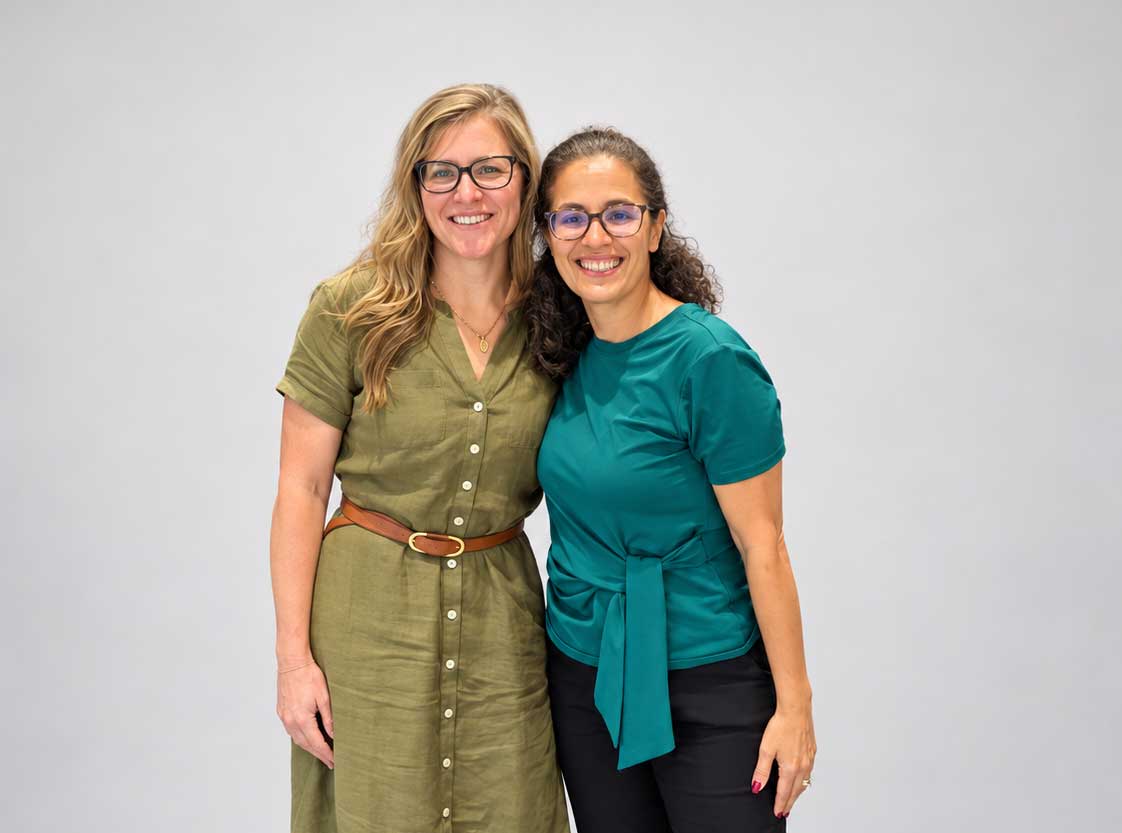
Stefanie Navarrete is a family medicine resident in Florida. She has a special interest in women’s health and would like to incorporate fertility awareness-based methods into her practice.
Inspired by what you read?
You can support the ongoing work of FACTS here. To connect with a member of our team, please email development@FACTSaboutFertility.org. Interested in becoming an individual or organizational member? You can learn more and register here. To discuss with a member of our team, please email membership@FACTSaboutFertility.org.