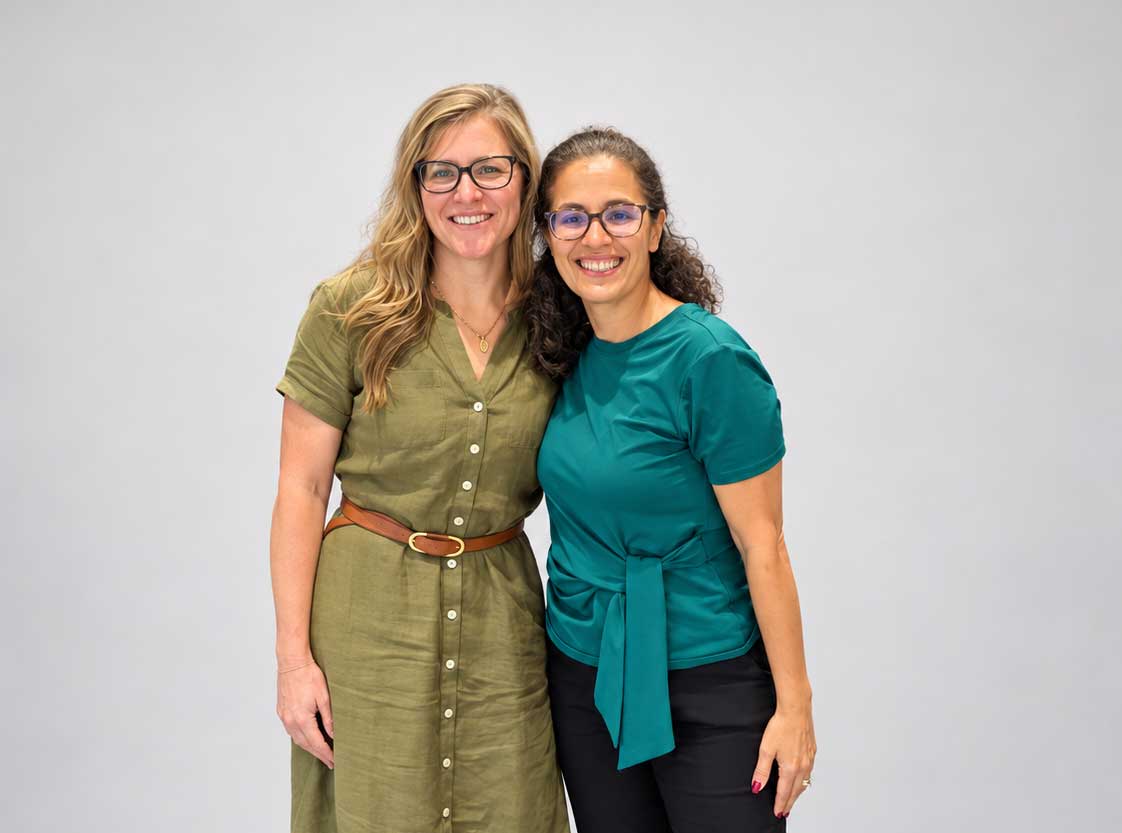

By: Taylor Totterdale
Director’s Note: During National Men’s Health Month, we are highlighting research conducted among Canadian men to assess their knowledge of male infertility and associated risk factors. While on the FACTS elective, Taylor Totterdale summarized a study published in Human Reproduction in 2016. Although couples utilizing fertility awareness-based methods (FABMs) to address infertility rely heavily on the biomarkers of the woman’s body, this summary emphasizes the male factor in infertility. Beyond the risk factors associated with female infertility, it is vital to recognize modifiable as well as fixed risk factors for male infertility.
Introduction
A large majority of men have a desire to become a parent. Yet, for both women and men, various factors may impact their fertility.[1] Without knowing about risk factors for infertility, men may engage in behavior that is unknowingly harmful. This study[2] by Daumler et al assessed men’s knowledge of these risk factors, which were divided into three categories: (1) modifiable risk factors controlled by lifestyle or medical management, (2) non-modifiable risk factors that are congenital or outside the individual’s control, and (3) other miscellaneous health issues.
“Without knowing about risk factors for infertility, men may engage in behavior that is unknowingly harmful.”
Methodology
The study was completed in 2015 and surveyed 701 Canadian men between the ages of 18 and 50 years. Over 90% of the men identified as heterosexual. Greater than 60% of them had no biological children, and over 40% expressed interest in having biological children in the future. The survey included demographic characteristics and fertility knowledge. There were two close-ended questions with 34 possible risk factors (with 10 decoys) and 11 health issues (with 4 decoys). Risk factors included advanced age, complications with male reproductive organs, exposure to heat and/or pesticides, substance use, and a history of urinary tract infections (UTIs). Miscellaneous health issues included depression, prostate cancer, and testicular cancer. The survey also included open-ended responses that allowed the participants to answer what they thought were risk factors.
Results
The results showed that most of the men surveyed considered themselves to be somewhat knowledgeable about fertility. Over 35% of them had some concerns about their current fertility status. Even though most of them stated they were familiar with risk factors for infertility, they could only identify around 50% of the modifiable factors. The more widely known risk factors included long-term steroid use, sexually transmitted infections (STIs), injury to the scrotum, stress, and smoking. The lesser-known risk factors included obesity, diabetes, high cholesterol, alcohol consumption, and frequent bicycling.
The men were significantly less knowledgeable about fixed risk factors. The more widely known factors included cancer treatment, genetic abnormality, and age > 45. The lesser-known factors included x-rays, hernia repair, delayed puberty, and testicular size. For open-ended questions, the most commonly identified factors were smoking, alcohol consumption, and drug use. Upon study completion, > 55% of the men desired resources to learn more about their fertility.
“The lesser-known risk factors included obesity, diabetes, high cholesterol, alcohol consumption, and frequent bicycling.”
Discussion
The study revealed that the men surveyed were only able to correctly identify half of the risk factors and health problems which can cause infertility and were even less likely to identify daily activities that could be affecting their fertility. These findings demonstrate the importance of counseling men to improve their fertility awareness. A limitation of this study is that the subjects consisted of men who volunteered to take the survey; the sample may be biased toward men with Internet access. Strengths of the study include the sample size (701 men) and the age range (18 to 50, mean age 34).

“The study revealed that the men surveyed were only able to correctly identify half of the risk factors and health problems which can cause infertility and were even less likely to identify daily activities that could be affecting their fertility.”
This article is relevant to fertility awareness in both men and women. Couples struggling with infertility often do not know where to begin. A review published in 2021 showed male factor infertility is a primary or contributing cause in 50% of couples with infertility.[1] As discussed during the FACTS elective, “it takes two” to conceive a child, and both partners need to consider their fertility status.
Daumler et al completed this study in Canada; since its publication, similar studies have been published in other countries. A 2021 study[3] examined fertility awareness in the Republic of Gambia, a small country in West Africa. In that study, most men were between the ages of 21 and 50 and practiced Islam. In-depth interviews were conducted with a certified translator to assess knowledge and perception of infertility, care-seeking behaviors, and the impact of infertility on their daily lives. The results demonstrated that men’s beliefs surrounding infertility had largely spiritual and religious overtones. On the other hand, some of the men surveyed attributed their recent medical diagnosis of diabetes mellitus to their difficulty conceiving.[3]
Another study evaluated YouTube videos as a source of information about male infertility, with 55% of the videos produced by healthcare organizations. The videos were assessed in seven different categories: definition of infertility, importance of history in male infertility, role of physical examinations and physical exam findings, diagnostic tests, nonsurgical interventions, surgical interventions, and assisted reproductive therapy. Videos were then rated “A” through “D” based on how well the video in question addressed each of the seven categories. Results showed that the only videos receiving an “A” rating were produced by healthcare organizations or clinicians, with the majority scoring a “C” or “D.”[4]
The research demonstrates we must continue to educate the general population about male factor infertility. Considering the study findings from Gambia, future surveys could also explore the extent to which religion and cultural folklore influence beliefs about fertility. More surveys need to be completed to further assess the general population’s knowledge of male infertility both in the USA and abroad. Medical professionals have a responsibility to encourage and start the conversation with their male patients about their fertility concerns.
References
[1] Agarwal A, Baskaran S, Parekh N, Cho CL, Henkel R, Vij S, Arafa M, Panner Selvam MK, Shah R. Male infertility. Lancet. 2021 Jan 23;397(10271):319-333. doi: 10.1016/S0140-6736(20)32667-2. Epub 2020 Dec 10. PMID: 33308486.
[2] Daumler D, Chan P, Lo KC, Takefman J, Zelkowitz P. Men’s knowledge of their own fertility: a population-based survey examining the awareness of factors that are associated with male infertility. Hum Reprod. 2016 Dec;31(12):2781-2790. doi: 10.1093/humrep/dew265. Epub 2016 Nov 5. PMID: 27816924; PMCID: PMC5193328.
[3] Dierickx S, Oruko KO, Clarke E, Ceesay S, Pacey A, Balen J. Men and infertility in The Gambia: Limited biomedical knowledge and awareness discourage male involvement and exacerbate gender-based impacts of infertility. PLoS One. 2021 Nov 29;16(11):e0260084. doi: 10.1371/journal.pone.0260084. PMID: 34843498; PMCID: PMC8629172.
[4] Ku S, Balasubramanian A, Yu J, Srivatsav A, Gondokusumo J, Tatem AJ, Beilan JA, Hasan A, Hotaling JM, Lipshultz LI, Pastuszak AW. A systematic evaluation of youtube as an information source for male infertility. Int J Impot Res. 2021 Sep;33(6):611-615. doi: 10.1038/s41443-020-0322-9. Epub 2020 Jun 15. PMID: 32541795; PMCID: PMC8445813.
ABOUT THE AUTHOR
 Taylor Totterdale
Taylor Totterdale is a fourth-year medical student at Kansas City University in Kansas City, Missouri. She completed her undergraduate education at the University of Florida in Gainesville, FL. She plans to start residency training in family medicine in July at McLaren Greater Lansing in Michigan. She is interested in women’s health, family planning, and preventative healthcare. She enrolled in the FACTS elective to gain a better understanding of natural family planning methods to share with her future patients. Taylor hopes this experience will help her patients have a better understanding of their health and reproductive decisions.
Inspired by what you read?
You can support the ongoing work of FACTS here. To connect with a member of our team, please email development@FACTSaboutFertility.org. Interested in becoming an individual or organizational member? You can learn more and register here. To discuss with a member of our team, please email membership@FACTSaboutFertility.org.