
By: Charlotte Haigh
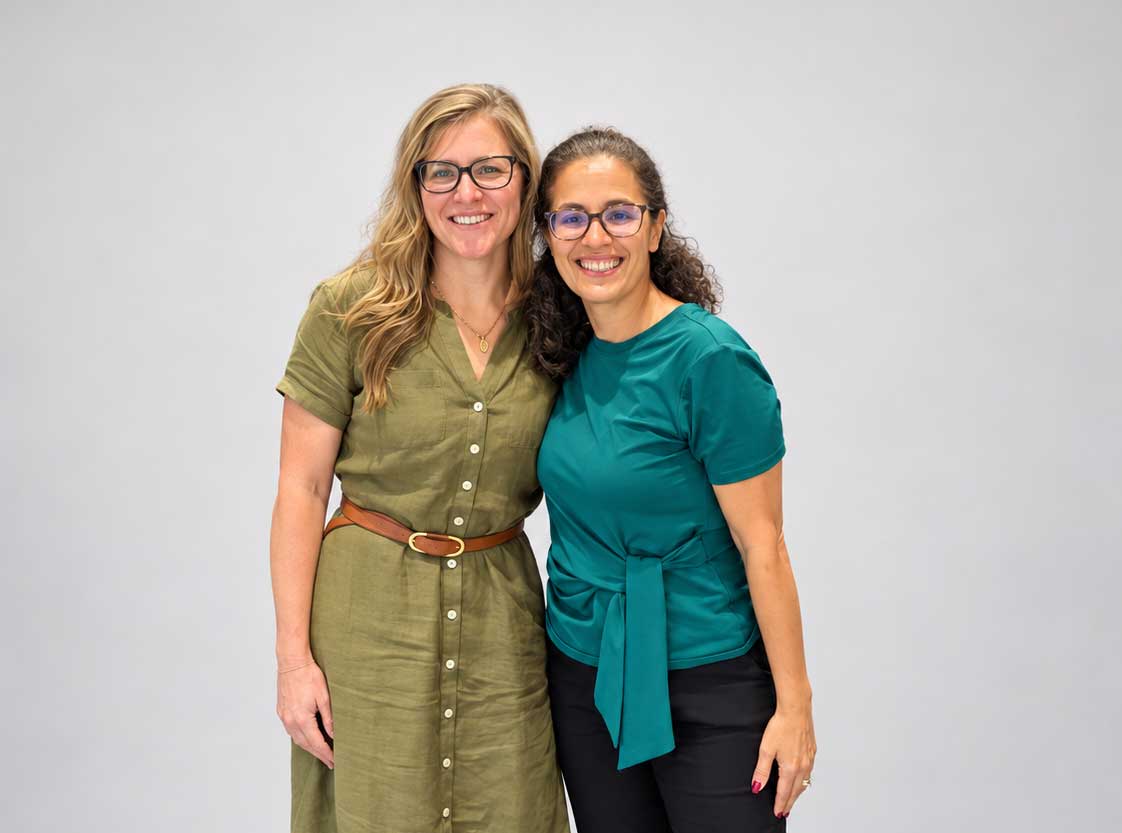
Editor’s Note: At FACTS, we are committed to educating all medical professionals new to the field of fertility awareness and restorative reproductive medicine, whether they are Ob-Gyn physicians hearing about this topic for the first time or healthcare students eager to expand their knowledge, including nursing students. This week’s blog is by Charlotte Haigh, an undergraduate nursing student, who interviewed her professor and mentor, Dr. Jackie Harris, the director of the nursing school at Benedictine College.
If you are also new to FABMS or RRM, check out our elective for medical students, our elective for residents, and our self-paced, online CME for medical professionals.
Introduction
Women’s reproductive healthcare comes in many shapes and sizes. To dive into the topic of fertility awareness-based methods, or FABMs, I spoke to a woman who has educated young girls and women about their cycles in different ways throughout her life. Dr. Jackie Harris is a doctor of nursing practice and the director of the nursing school at Benedictine College. She was instrumental in the program’s creation nearly 15 years ago after working as a nurse for a number of years.
I interviewed Harris at Benedictine’s campus to gain insights from her work as a nurse, FABM practitioner, and educator of future nurses. I learned she went to Benedictine College, where she completed an undergraduate degree in biology on the pre-medical track. While in school, she met her now husband, and they married soon after graduation. She decided against going to medical school in favor of completing a master’s degree in the science of nursing, which she obtained at Marquette University. She then worked as a registered nurse intermittently while raising four children.
She is grateful to have chosen nursing over medical school because of its greater flexibility for working mothers. While in nursing practice, she became interested in FABMs, mostly because of the influence of her college friend, Teresa Kenney, an excellent women’s health nurse practitioner. Kenney had already devoted her life to women’s health and encouraged Harris to do the same as a nurse. Harris enrolled in the FEMM Teacher Certification Training course to become a FEMM instructor and began to get involved with FACTS About Fertility by taking the pilot courses of their FABM electives. She expressed that seeing me take the FACTS elective was a full-circle moment for her. We compared how it has changed over time and enjoyed discussing different things we learned.

“While in nursing practice, (Harris) became interested in FABMs, mostly because of the influence of her college friend, Teresa Kenney, an excellent women’s health nurse practitioner.”
A New Path Emerges
As a nurse, Harris began to incorporate FABMs into her work, especially the Fertility Education & Medical Management (FEMM) method. She said the hardest part was working at a small clinic in a small town, as many patients could not afford the testing and medications they needed, which impacted her ability to incorporate FABMs effectively. Around that time, she started teaching as an adjunct professor at Benedictine College. After a few years spent teaching and working as a nurse, the president of the college invited her to help start a nursing school at Benedictine College! She said yes and stopped working as a registered nurse to dedicate her time to education, encouraging students to care for patients in a holistic way.
“After a few years spent teaching and working as a nurse, the president of the college invited her to help start a nursing school at Benedictine College! She said yes!”
Program Director and FABM Mentor
Harris’ next phase of life as the program director at Benedictine College began, and she decided to continue her journey as an FABM mentor. She teaches a class which at first was offered only to nursing students, but she recently made it available for anyone interested in the topic. The course emphasizes the importance of women learning about their individual cycles starting from a young age. During this time, she completed her doctor of nursing practice degree through Wichita State University.
Personal Reflections
It was inspiring to interview Harris because of our personal connection, as she is the mother of my close friend and the academic advisor for many of my friends pursuing nursing degrees. I know and appreciate her inviting presence, her perceptive soul, and her heart for outreach. Throughout the interview, she counseled me as I begin a similar journey to the one she started 20 years ago. As an undergraduate myself, it was special that she understood where I came from; her passion for mentoring this age group is evident.
When comparing the course she teaches through Benedictine College to the FACTS elective it is founded upon, she noted her course gives a very basic overview of the different FABMs, their effectiveness, and their clinical applications. She explained the FACTS course is much more in-depth than hers, mostly because she wants the course material to be accessible for anyone to take.
“When comparing the course she teaches through Benedictine College to the FACTS elective it is founded upon, she noted her course gives a very basic overview of the different FABMs, their effectiveness, and their clinical applications.”
I left Dr. Harris’ office having learned so much not only about her as a person but as a career woman. Hearing her insights on some of the challenges of being an FABM practitioner and learning more about the practice of nursing was very inspiring as I continue my undergraduate education.
ABOUT THE AUTHOR
Charlotte Haigh
Charlotte Haigh is an undergraduate nursing student at Benedictine College in Atchison, KS studying chemistry and biochemistry. Upon graduation, she plans to pursue a career in women’s reproductive healthcare. She enrolled in the FACTS elective to gain a better understanding of female cycles and endocrinological disorders which negatively impact women’s health.
Inspired by what you read?
You can support the ongoing work of FACTS here. To connect with a member of our team, please email development@FACTSaboutFertility.org. Interested in becoming an individual or organizational member? You can learn more and register here. To discuss with a member of our team, please email membership@FACTSaboutFertility.org.