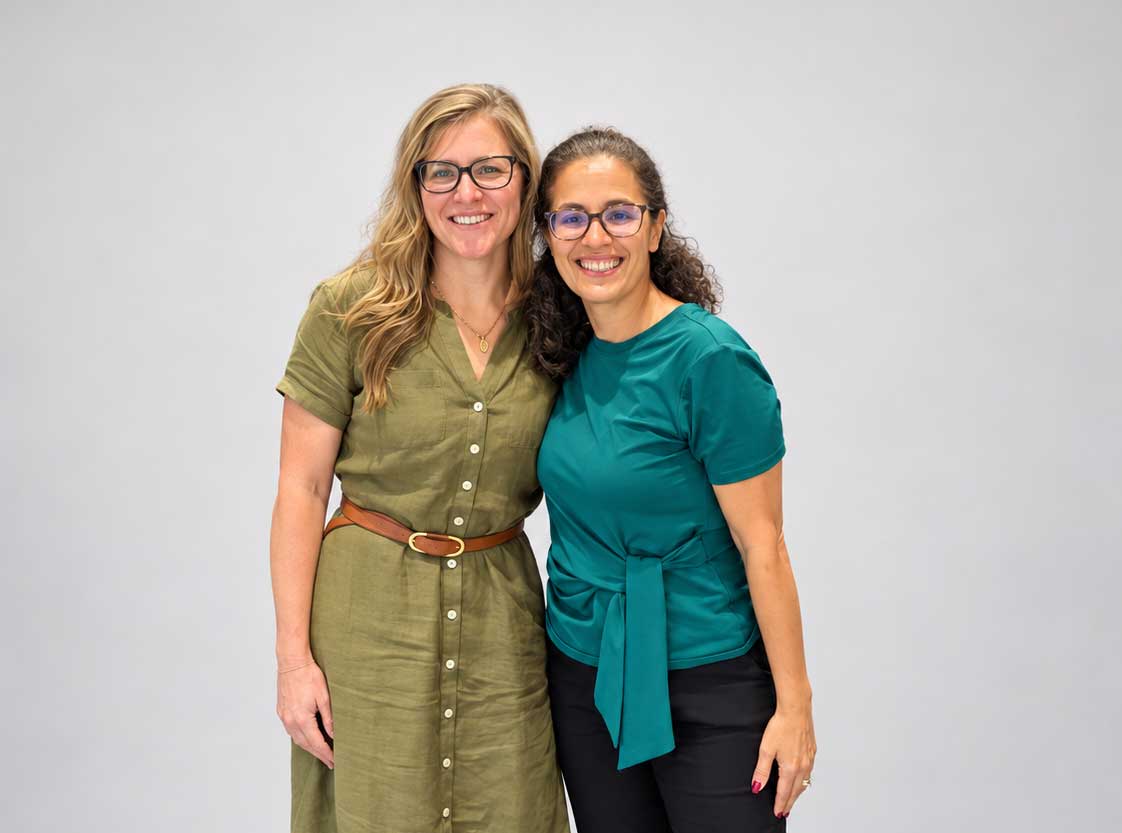

By: Anna Morgan, DO
Director’s Note: This week, we are highlighting an interview conducted by FACTS elective participant Anna Morgan, DO. She shares one couple’s experience with FABMs, emphasizing the importance of working with trusted and trained instructors, identifying the right method for the individual or couple, and learning how to use each method correctly. FACTS has developed a shared decision-making tool to facilitate choosing the best method for you. We are excited to announce that our second research paper assessing the impact of the tool on patients’ experiences was published last week. Read it here!
Introduction
Fertility awareness-based methods (FABMs) may not be the most well-known method of family planning; however, they can be highly effective when used correctly. Presently, most medical schools do not include these methods in their reproductive curricula.[1] Yet, in certain communities, FABMs have been taught and utilized for years. I recently had the pleasure of talking with a woman who has experience with multiple FABMs.
The Search Begins
About five years ago, in preparation for marriage, Savannah and her fiancé (now husband) learned the Sympto-Thermal Method through the Couple-to-Couple League. Since they hoped to avoid pregnancy for a few years, they were surprised to find themselves pregnant not long after their wedding. In hindsight, Savannah recalls she didn’t truly understand the importance of taking a basal body temperature (BBT) at the same time every single day for the most accurate measurements. Since tracking temperature was a challenge for her, Savannah and her husband decided to switch to the Billings Ovulation Method and then later tried the Creighton Model. Each method presented its own challenges, however, and by their third anniversary, they had three babies. Nonetheless, she and her husband remained loyal to FABMs, and they finally found a method that worked for them with the Marquette Model. Critical to their success was the assistance of a very good instructor who helped them navigate the intricacies of the method.
“Critical to their success was the assistance of a very good instructor who helped them navigate the intricacies of the method.”
The Marquette Model uses urinary hormone-testing technology to lend insight into a woman’s fertile window. A Clearblue Fertility monitor, along with urinary hormone strips, is used to test levels of estrogen metabolites and luteinizing hormone (LH). The monitor reads low, high, or peak depending on her level of fertility. The woman then charts her menses (heavy, moderate, light) and urinary hormones (low, high, peak). She may also track and chart her mucus (low, high, or peak). Training with certified instructors help women learn, as well as provide deeper insight into when to time intercourse to either avoid or achieve pregnancy based on a couple’s goals.

“Training with certified instructors help women learn, as well as provide deeper insight into when to time intercourse to either avoid or achieve pregnancy based on a couple’s goals.”
Before landing on the Marquette Model, Savannah and her husband faced several challenges and obstacles in their experience with FABMs. The Sympto-Thermal Method is a good method for patients who are unsure of their mucus observations because the addition of the basal body temperature monitoring helps track ovulation. However, much of the accuracy with BBT relies on the consistency of taking the temperature at the same time every day before getting up and moving around. For patients who work shifts or have variable sleep patterns, this method may be less than ideal.
The Billings Ovulation Method and Creighton Model are mucus-only methods. While both are fairly straightforward, it can be difficult to adjust to deciphering mucus patterns. In Savannah’s case, she recalls not having confidence in the instructors she worked with to determine true fertile windows based on questions she had with charting.
Savannah’s experience highlights the critical need for well-trained instructors in more locations. Additionally, there must be a culture of support present for women and couples looking to learn about FABMs. Savannah and her husband faced significant pushback from the Obstetrics and Gynecology community, ranging from unfamiliarity among practitioners to snide comments about the couple’s choice of family planning. Overall, Savannah recalls receiving no support from the medical community, which FACTS aims to change.
As physicians, it is our duty to meet our patients with compassion and work with them without belittling them for their healthcare decisions. While modern FABMs have research backing success rates both for achieving and avoiding pregnancy, only one of these methods worked for Savannah and her husband. Thus, the most effective fertility awareness-based method is the one that best meets the needs and abilities of the couple, which typically facilitates a positive relationship with a well-informed instructor willing to walk through all the unique intricacies of a woman’s cycle.
“The most effective fertility awareness-based method is the one that best meets the needs and abilities of the couple.”
*Name has been changed to respect the privacy of the interviewee, and all information is shared with permission.
References
[1] Duane M, Carson G, VanderKolk K, Adams E, Gordon L. An Evaluation of US Medical Schools’ Reproductive Health and Family Planning Curricula. Issues Law Med. 2022;37(2):117-128.
ABOUT THE AUTHOR
 Anna Morgan, DO
Anna Morgan, DO is a first-year Family Medicine resident/intern in Spartanburg, South Carolina She is a graduate of Via College of Osteopathic Medicine – Carolinas Campus. She hopes to utilize FABMs to help her patients with women’s health and fertility. In her free time, you can find her crocheting blankets or hiking with her husband.
Inspired by what you read?
You can support the ongoing work of FACTS here. To connect with a member of our team, please email development@FACTSaboutFertility.org. Interested in becoming an individual or organizational member? You can learn more and register here. To discuss with a member of our team, please email membership@FACTSaboutFertility.org.