
By Fiona Bawagan, DO
Introduction
The Sympto-Thermal Method (STM) is a fertility awareness-based method (FABM) that utilizes the changing patterns in cervical fluid and basal body temperature (BBT) to track a woman’s reproductive cycle. These two biological markers fluctuate in response to estradiol and progesterone, the two main hormones responsible for a woman’s fertility. At its most fertile, cervical fluid is clear and slippery in response to rising estrogen levels. When using STM, a woman measures her BBT upon waking using a basal body thermometer at the same time each day. The basal body temperature rises by 0.5 degrees Fahrenheit in response to rising progesterone in the post-ovulatory phase, signaling that ovulation has occurred.
To use an FABM most effectively, a woman should learn from a trained instructor the proper use of her chosen method and be highly motivated to chart her signs daily. With the Sympto-Thermal Method, daily tracking gives the woman the most accurate insight into her fertility.
Meet Melanie
Melanie* was motivated to learn how to use the Sympto-Thermal Method, but she encountered an unexpected roadblock when she started charting a few months prior to getting married. She felt the learning curve was steep, but when asked specifically what was difficult, she clarified, “It’s easy to learn the method. It’s hard to learn my body.” This may be the realization many women face when they choose to use FABMs, especially when society teaches them that a regular period is all you need to know you are healthy.
“It’s easy to learn the method. It’s hard to learn my body.”
The woman’s cycle, sometimes referred to as the fifth vital sign, is very sensitive to external stressors and the environment. Many who practice and teach FABMs have learned that the female cycle is, in fact, a marker of overall wellbeing.
Guided by Instruction
When a woman begins to chart her cycles, it is vital to have a trained FABM instructor. The efficacy of a method depends to a large extent on the woman’s ability to accurately record and interpret her physical signs as she progresses through each cycle. Many women, including Melanie, have little knowledge of the intricacies of their fertility. FABMs give that knowledge and power back to women and equip them to be more in control of their bodies and their reproductive health.
With the help of her STM instructor, Melanie was able to identify the inconsistencies on her chart as possibly relating to a hormonal imbalance. Although her cycles have always been “regular,” this information was eye-opening for her. When she was on birth control pills for a brief time during her teens for heavy menses, she recalled not feeling like herself while taking them; she felt relieved someone wanted to help her find the root cause of her abnormal cycles.
After consulting her STM instructor, Melanie implemented several lifestyle changes; she adjusted her exercise regimen, added dietary supplements to support different phases of her cycle, and scheduled an appointment with a physician trained in Natural Procreative Technology (NaProTechnology) for further evaluation. Reflecting on her experience with FABMs, Melanie shared that having an FABM instructor is invaluable. She remarked, “I liked that our (instructor) led us in a positive, holistic approach to healing my fertility in a way that aligned with our morals and spirituality.”

Charting as a Couple
Since they started using STM, Melanie and her husband Jonathan* have learned much more than how to track her cycles. They are learning how to communicate and work toward a common goal. “Charting was the first thing we had to take seriously,” explained Melanie. “It was the first thing we learned together as a married couple. It made communicating more openly both freeing and difficult at the same time.”
“Since they started using STM, Melanie and her husband Jonathan have learned much more than how to track her cycles. They are learning how to communicate and work toward a common goal.”
Jonathan learned about FABMs a few years ago and thinks “they are a natural alternative to modern birth control.” He added that learning about FABMs “seemed complicated, not impossible,” but he was surprised by how much was involved.
To alleviate their feelings of overwhelm, their STM instructor suggested that one way to bring the husband into the woman’s routine of charting is to let him physically record each biomarker daily. For Jonathan, he would try to read the chart as Melanie’s cycle progressed to identify when her fertile window started and ended. He was fascinated by the chart and noticed that over time, it would generate a predictable pattern that translated into Melanie’s progression throughout her cycle. He experienced a heightened feeling of responsibility in their relationship as his perception of their fertility as a couple changed. Jonathan summarized this by saying, “I want to know what I can do to optimize my health to give us the best shot.”
FABMs in the Real World
My conversation with Melanie and Jonathan as part of the FACTS elective revealed the need for clinical instructors trained in FABMs, especially those providing women’s health and family planning services. There is a growing desire among women to work with their body’s natural physiology rather than go against it. FABMs are tools intended to support women in optimizing not only their reproductive health but also their overall wellbeing. Furthermore, FABMs help deepen a couple’s relationship and integrate both of them in the decision-making when planning their family together.
“FABMs are tools intended to support women in optimizing not only their reproductive health but also their overall wellbeing.”
As a future physician, I hope to offer these fertility awareness-based methods to my patients and to experience the joy of walking with them through different stages in life.
* Names were changed to respect the privacy of the interviewees. All information is shared with permission.
ABOUT THE AUTHOR
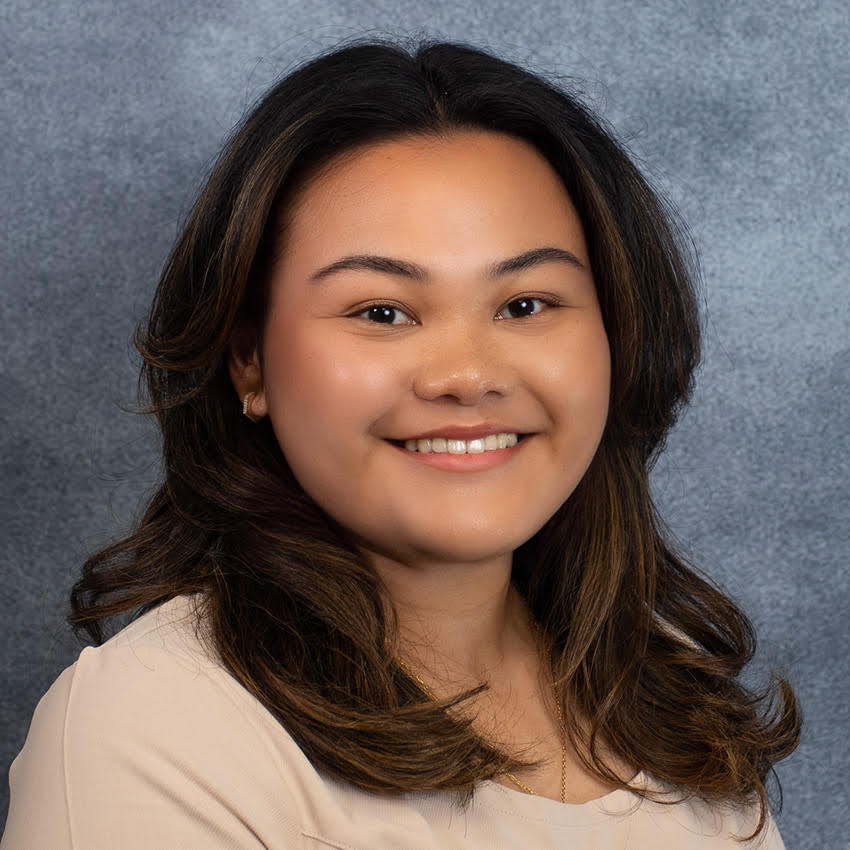 Fiona Bawagan, DO is a family medicine resident at Hunterdon Medical Center. She completed medical school at Rowan-Virtua School of Osteopathic Medicine. Dr. Bawagan has strong interests in obstetrics, integrative/functional medicine, and restorative reproductive medicine. She enrolled in the FACTS elective as a medical student to gain insight into the various fertility awareness-based methods and their clinical applications in women’s health, including treating infertility. She hopes to share these tools with future patients so they feel empowered to make informed decisions about their reproductive health and wellbeing.