
By Molly Franzonello
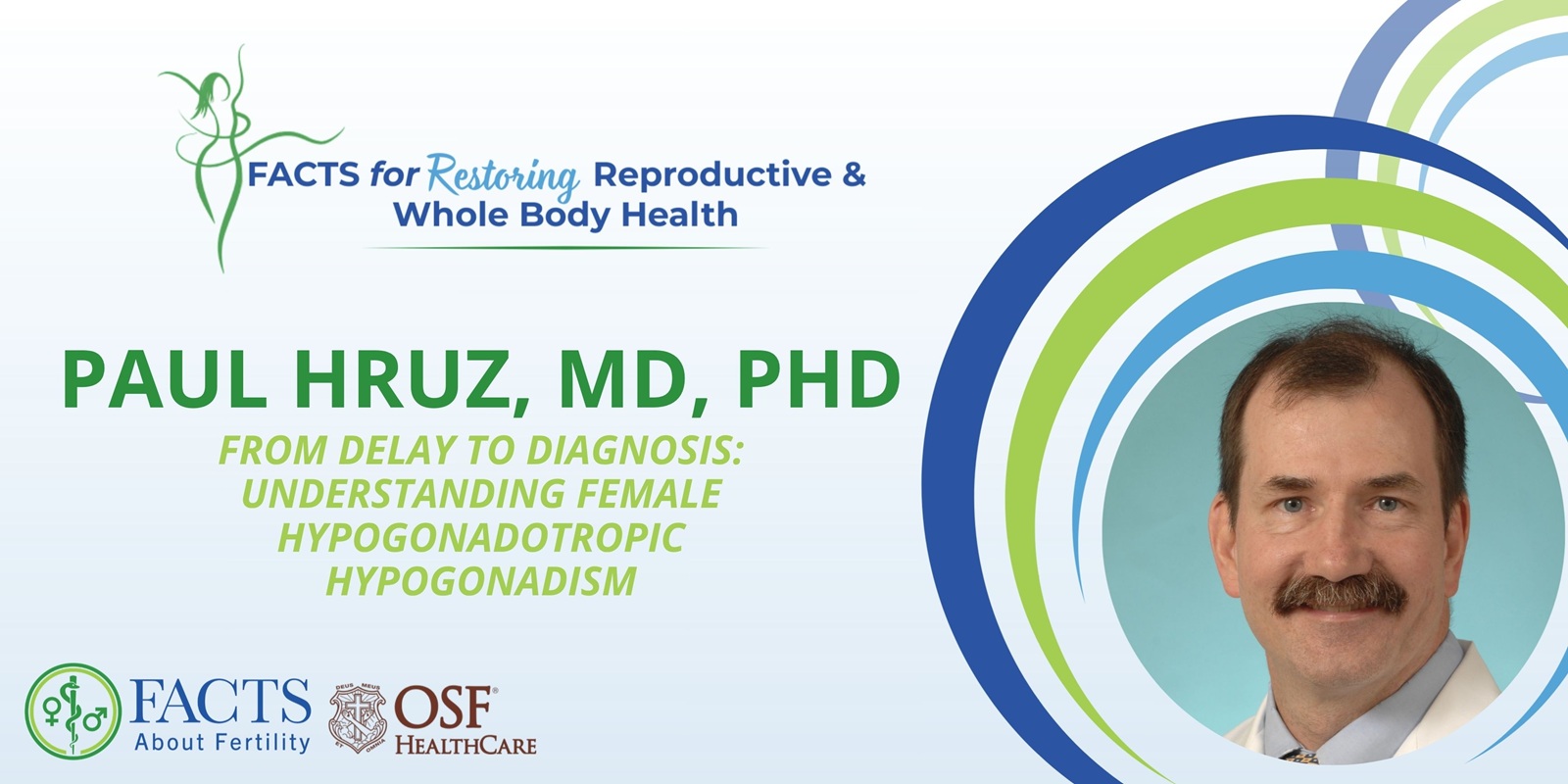
Editor’s Note: As conversations around reproductive health continue to evolve, opportunities to engage with evidence-based, physiology-driven care are more important than ever. The 2026 FACTS Annual Conference will take place April 10-11, 2026, in Peoria, Illinois, bringing together clinicians, researchers, and educators from across disciplines to explore advances in fertility awareness and restorative reproductive medicine. Dr. Paul Hruz will be among the featured speakers, sharing his expertise on hypothalamic-pituitary-gonadal axis dysfunction and its implications for clinical care. Students and residents interested in furthering their education in this space are also encouraged to explore the FACTS resident elective, which offers comprehensive training in fertility awareness-based methods for medical professionals.
Bridging Science, Care, and a Shared Mission
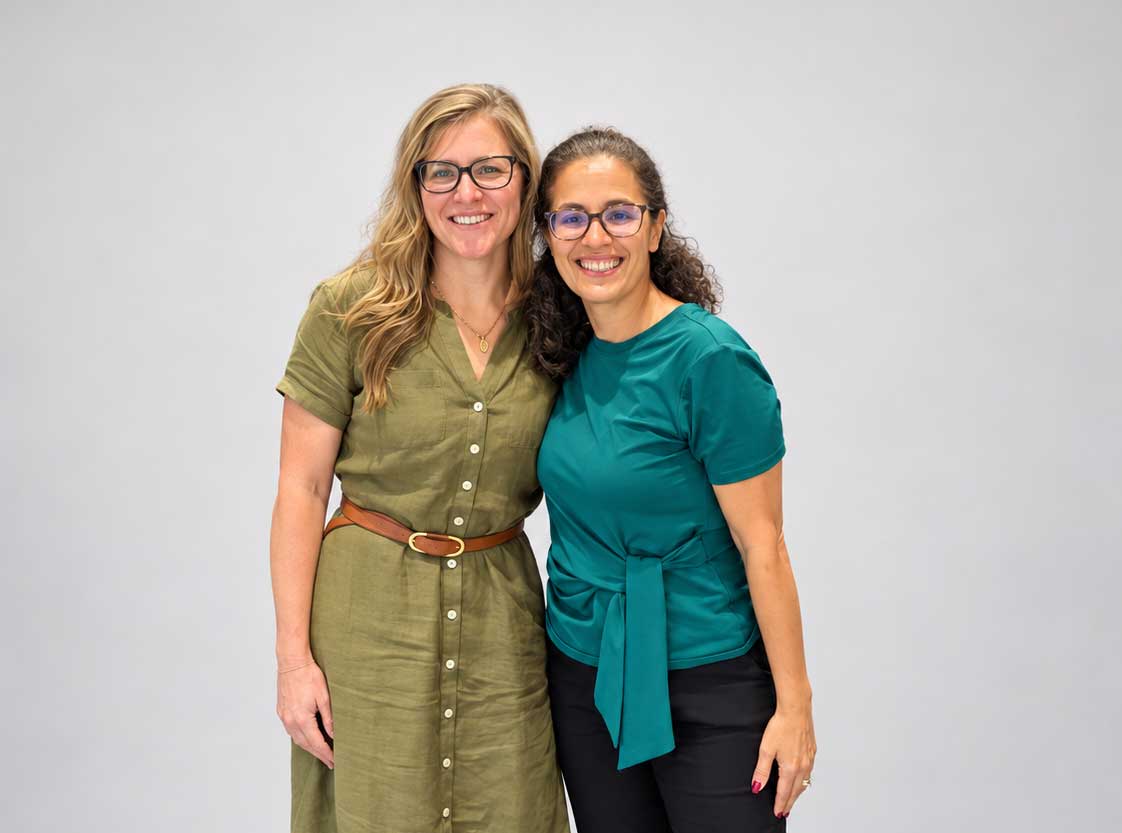
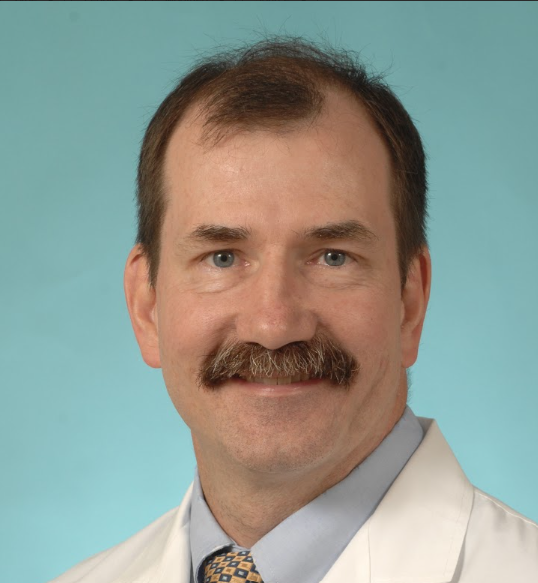 Dr. Paul Hruz, MD, PhD of Washington University in St. Louis never set out to choose between science and medicine. Through physician-scientist training, he built a career that integrates rigorous basic science with deeply relational clinical care, a combination that continues to shape both his research and his approach to patients. It was this same integration – of physiology, evidence, and patient-centered care – that led to a natural alignment with the FACTS community after meeting Dr. Marguerite Duane at a conference, where they discovered a shared commitment to advancing women’s health through a deeper understanding of underlying biology.
“I discovered very early on how being a scientist made me a better physician and being a physician made me a better scientist,” Dr. Hruz said.
That dual lens led him to a career in pediatric endocrinology, where he studies the molecular mechanisms of metabolism while caring for children and families navigating complex hormonal conditions. His work has increasingly intersected with reproductive endocrinology, particularly in understanding how metabolic dysfunction – such as insulin resistance – disrupts ovarian and gonadal signaling pathways and contributes to conditions like polycystic ovarian syndrome (PCOS) and hypothalamic-pituitary-gonadal axis dysregulation. At the upcoming FACTS conference, he will speak on hypothalamic-pituitary-gonadal axis dysfunction, focusing on hypogonadotropic hypogonadism and its implications for ovarian signaling, diagnosis, and evidence-based management.
A Path Shaped by Curiosity and Calling
Dr. Hruz’s early training was rooted in protein chemistry and structural biology, with a focus on rare metabolic disorders at the molecular level. Yet, during his clinical rotations, his path shifted.
“I fell in love with working with children and families,” he said.
Endocrinology offered Dr. Hruz the ideal intersection of intellectual rigor and clinical impact. The field allowed him to think methodically through complex physiology while building long-term relationships with patients, sometimes spanning decades.
“I’ve followed some patients from infancy into adulthood – and now they’re bringing their own children,” he said.
Despite his extensive research background, Dr. Hruz is clear about what matters most in his day-to-day work.
“My laboratory animals can’t give me hugs, but my patients can,” he said.
For him, clinical medicine provides both meaning and direction. It keeps scientific inquiry grounded in real human need and highlights the tangible impact of medical progress. Nowhere is this more evident than in pediatric diabetes care, where advances in technology have transformed how children live with chronic disease.
“We’ve moved from patients structuring their lives around disease to integrating treatment into their lives,” Dr. Hruz said.
For Dr. Hruz, clinical medicine provides both meaning and direction. It keeps scientific inquiry grounded in real human need and highlights the tangible impact of medical progress.
From Glucose Transport to Reproductive Health
Much of Dr. Hruz’s research has focused on glucose transporters, proteins that regulate how cells take up and utilize glucose. His work has uncovered how disruptions in these pathways contribute not only to diabetes, but also to broader metabolic and endocrine dysfunction.
This research has important implications for reproductive health. Insulin resistance, a central focus of his work, plays a significant role in conditions such as PCOS, where altered metabolic signaling contributes to ovarian dysfunction and long-term risks, including diabetes, infertility, and cardiovascular disease. His work also informs understanding of how disruptions in hypothalamic and pituitary signaling affect gonadal function, including conditions such as hypogonadotropic hypogonadism.
“Insulin resistance, a central focus of his work, plays a significant role in conditions such as PCOS, where altered metabolic signaling contributes to ovarian dysfunction and long-term risks, including diabetes, infertility and cardiovascular disease.”
By studying these pathways at a molecular level and translating findings into clinical care, Dr. Hruz exemplifies the power of bridging bench research with bedside medicine. His work has also contributed to therapeutic development, including identifying drug targets and improving the safety profiles of medications for metabolic disease.
The Art and Challenge of Patient Care
While scientific advances continue to expand, Dr. Hruz emphasizes that one of the greatest challenges in medicine remains helping patients understand and engage with their care.
“You have to meet patients where they are,” he said. “Ask what they understand, what their goals are, and build from there.”
In today’s information-rich environment, patients often arrive with pre-formed conclusions. This makes communication, trust, and education essential. He stresses that adherence is rarely about unwillingness, but rather about barriers, whether developmental, social, or practical.
Dr. Hruz describes this as an extraordinary time to be a physician-scientist, with advancements in genomics, computational biology, and translational research opening new doors. At the same time, he emphasizes the need for rigor and humility.
“Science must begin with questions, not conclusions,” he said.
He encourages trainees to seek strong mentorship, think critically, and remain grounded in both curiosity and integrity. One of the most meaningful aspects of his career has been mentoring trainees who go on to exceed their own accomplishments.
Redefining Work-Life Balance
One of the most formative lessons in Dr. Hruz’s life came not from the laboratory or clinic, but from a shift in perspective.
“I realized I didn’t have my priorities right,” he said.
Since then, he has intentionally ordered his life around clearly defined priorities, returning to them when faced with competing demands. Rather than detracting from his career, this shift enhanced it.
“The surprising thing is nothing in my career suffered,” Dr. Hruz said. “In fact, I became more successful.”
Looking Ahead
As Dr. Hruz continues to care for patients, lead research, and mentor future physicians, he remains committed to growth – both within his field and through engagement with broader clinical communities.
“Some of the most valuable insights come from conversations in the hallway,” he said.
His career stands as a powerful example of what can emerge when scientific excellence, clinical care, and human connection are not separate pursuits, but deeply intertwined.
ABOUT THE AUTHOR
 Molly Franzonello, DNP, MHA, is a Certified Nurse Midwife (CNM) and Blog Editor at FACTS. Her clinical and editorial work focuses on fertility awareness, restorative reproductive medicine, and women’s health. Through these roles, she is committed to advancing patient-centered, evidence-based care, exploring systems and models that support this work, and expanding education on women’s fertility and health.
Inspired by what you read?
You can support the ongoing work of FACTS here. To connect with a member of our team, please email development@FACTSaboutFertility.org. Interested in becoming an individual or organizational member? You can learn more and register here. To discuss with a member of our team, please email membership@FACTSaboutFertility.org.