
By Gurroop Khalsa
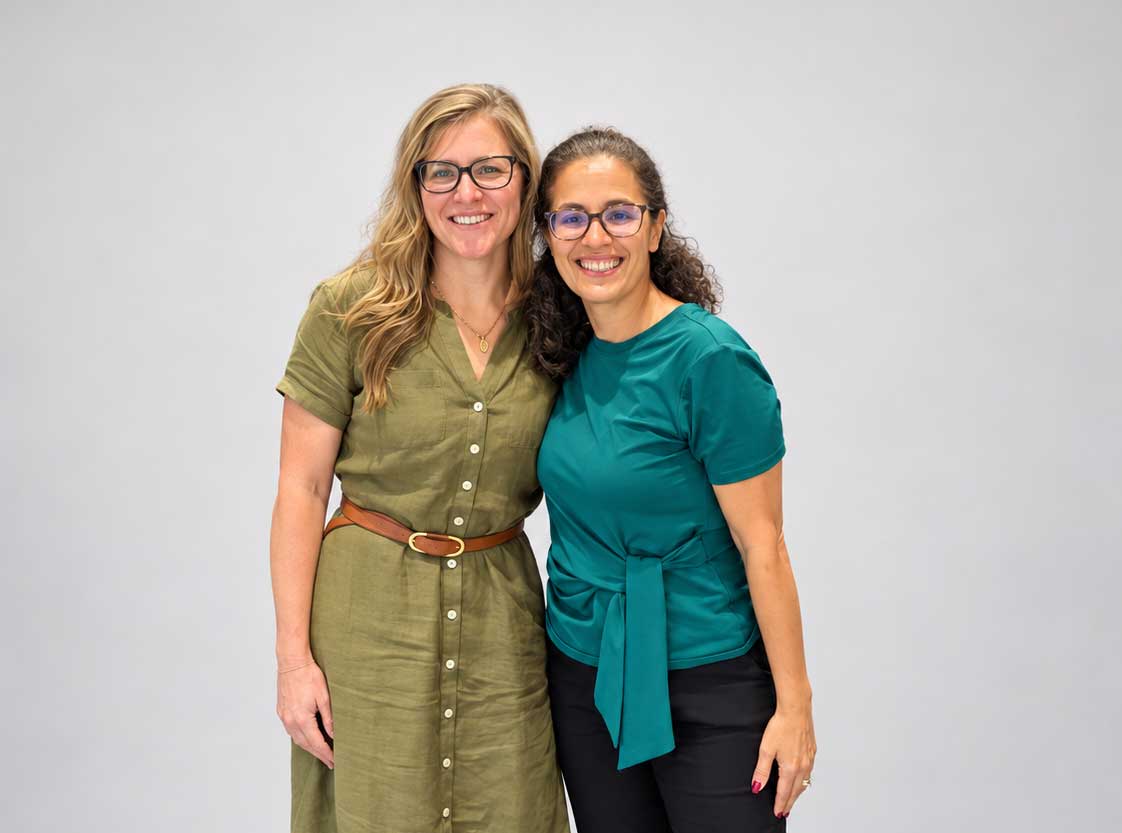
Editor’s Note: As we mark International Women’s Day on March 8, we are delighted to highlight the work of fellow female researchers seeking to expand access to safe, natural methods of family planning for women around the world. This quasi-experimental study, summarized by FACTS elective student Gurroop Khalsa, examines the introduction of the Standard Days Method (SDM), a fertility awareness-based method (FABM), into family-planning programs in India, Peru and Rwanda. [1] The results showed that knowledge and implementation of the method increased dramatically following the intervention in all three countries. These findings highlight the potential of FABMs to expand access to family planning and reach new users globally.
Introduction
Improving access to family-planning methods is vital to the health of women and communities. This is particularly true in developing countries and communities of lower socioeconomics, in which spacing of children may be even more important for health and financial reasons. Therefore, it is important to identify populations where there is an unmet need for family-planning options and work to address them. However, introducing a new and unfamiliar method for preventing pregnancy can pose many challenges, particularly in a developing country or a country with different cultures and traditions. These factors must be considered by recognizing stakeholders in those countries. It’s important to work within existing healthcare systems to ensure the authenticity and longevity of a certain intervention.
“Improving access to family–planning methods is vital to the health of women and communities… (especially) in developing countries and communities of lower socioeconomics, in which spacing of children may be even more important for health and financial reasons.”
A 2012 study by Lundgren et al. examined the effect of introducing a new method of family planning, the Standard Days Method (SDM), to communities in India, Peru and Rwanda. [1] The study evaluates if educating communities about SDM increases awareness and meets unmet needs. The research specifically examines whether introducing SDM leads to higher adoption rates and boosts overall family-planning prevalence in diverse populations.
Methodology
This study was a quasi-experimental study with an intervention that provided access to SDM, a fertility awareness-based method (FABM) that can be used by women with cycles that range from 26-32 days in length. The method identifies days 8 through 19 as fertile, with unprotected intercourse during these days having the highest chance of pregnancy. SDM has been shown to be easy to teach and quick to learn in a 30-minute, one-time visit with a trained healthcare professional. In association with CycleBeads, a set of color-coded beads, new users can easily learn to track their cycle and identify fertile days without a requirement for expensive technology or literacy requirements.
The researchers wanted to assess how a new family-planning method, like SDM, could be implemented on a large scale in culturally diverse communities. They worked in conjunction with the Ministry of Health and other key stakeholders in India, Peru and Rwanda. Neighborhood control and intervention were determined, but the control communities were considered non-equivalent due to some baseline characteristic differences between control and intervention. The goal of the intervention was to work with local health officials and medical associations to train healthcare professionals in SDM so that they were able to offer it as an option to their patients in existing clinics and other healthcare facilities. Educational outreach about family-planning methods was specific to each country with input from local healthcare clinicians, policy makers, and program managers. In India, for example, information was shared through wall paintings and street puppet shows.
The researchers conducted baseline and endline household surveys of married women of reproductive age with male surveys conducted in parallel. These surveys assessed knowledge of SDM and use of family-planning methods in general at the beginning of the intervention and how this changed after the intervention. Data was collected starting in 2005 prior to the intervention and continued for 18 months.

Results
Researchers found a significant increase in knowledge of SDM after the intervention. Prior to the intervention 0.4% of women had heard of the method, and this rose to 59.2% post-intervention. A similar effect was seen in Peru from 0.2% pre-intervention to 63.2% post-intervention. Rwanda saw even greater success with 90.3% of women knowing about SDM at the end of the study. Of note, the parallel men’s survey showed that fewer men had heard about the method than women. Additionally, after analyzing demographic information, younger and literate women were 1.5 to 3 times more likely to have heard about SDM than older and illiterate women in all three countries.
Another important point is that the researchers found a statistically significant increase in new SDM users post-intervention in all three countries. Contraceptive use overall also increased in the intervention areas compared to the control areas in Peru. In Rwanda, new users of all birth control methods increased in both control and intervention areas. In India, the number of new users of all methods increased in both areas but more than doubled in the intervention areas. The overall increase in family-planning use cannot causally be related to the introduction of SDM, but it is important to note that the overall use of birth control did not decrease with the intervention, as was a concern by some stakeholders.
“The researchers found a statistically significant increase in new users of the Standard Days Method post-intervention in all three countries.”
Some policymakers were also concerned that the introduction of SDM would lead women to shift from established, effective methods of birth control. However, the study found that most new users were either not using a family-planning method prior to starting SDM or they had not been using an established method in the two months preceding their shift to SDM. In India, more than 85% of new users had never used a contraceptive method. In Rwanda and Peru, 90% and 57% of new users, respectively, had not used any kind of family-planning method in the preceding two months.
The introduction of SDM into family-planning programs in India, Peru and Rwanda resulted in a statistically significant increase in modern contraceptive prevalence, attracting new users and those who had previously discontinued other methods. Evidence indicates that SDM addressed unmet demand for a natural, side-effect-free method, resulting in a measurable increase in overall family-planning use across the study sites.
Discussion
There is certainly a need for safe, effective and inexpensive family-planning methods in many countries. Many FABMs would fit these criteria, but SDM is a great option because it is easy to teach and adaptable to different cultural environments. One of the greatest successes of this research intervention was the implementation of a new family-planning method on a large scale across three countries with diverse cultures, languages, and traditions. The researchers showed cultural sensitivity and understanding by working with the local ministries of health and healthcare professionals to add this new family-planning method into their existing healthcare service delivery systems.
“One of the greatest successes of this research intervention was the implementation of a new family–planning method on a large scale across three countries with diverse cultures, languages, and traditions.”
Additionally, there is evidence for the greatest success in implementing a new method when the local government has similar goals for increasing access to contraceptive methods for populations that have unmet needs for family-planning options. For example, among the three countries studied, Rwanda had the most effective educational intervention and the highest percentage of new users, which can be attributed to the government’s commitment to increasing overall family-planning use.
The researchers in this study worked hand-in-hand with local organizations and stakeholders to implement an educational initiative and an intervention to increase access to education about SDM. Culturally sensitive interventions such as these are examples of how to increase FABM education and access in the global health arena.
References
[1] Lundgren, R., Sinai, I., Jha, P. et al. Assessing the effect of introducing a new method into family planning programs in India, Peru, and Rwanda. Reprod Health 9, 17 (2012). https://doi.org/10.1186/1742-4755-9-17
ABOUT THE AUTHOR
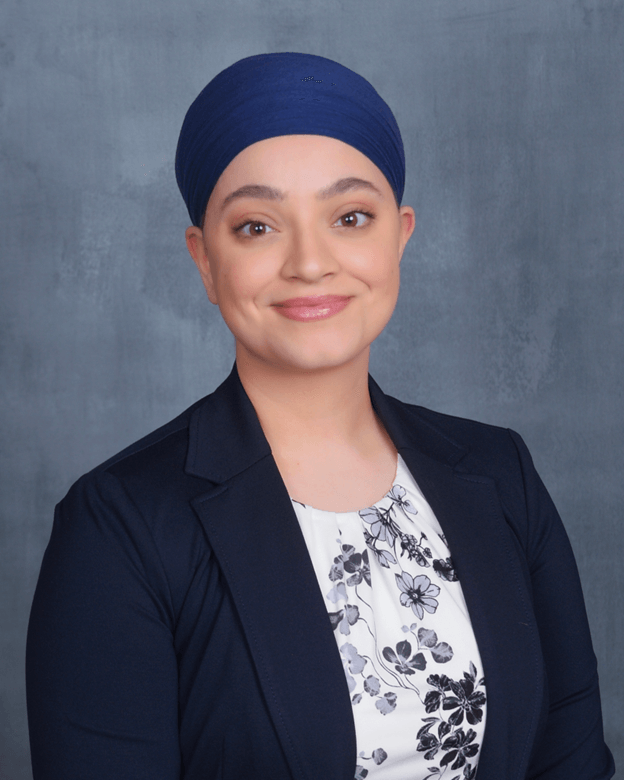 Gurroop Khalsa is a 4th year medical student at Des Moines University in Des Moines, IA. She completed her undergraduate education at San Jose State University in San Jose, CA. Gurroop plans to compete her residency training in OBGYN and is very interested in health equity, particularly for women in communities of color. She enrolled in the FACTS elective to better understand FABMs as an option to offer her future patients.