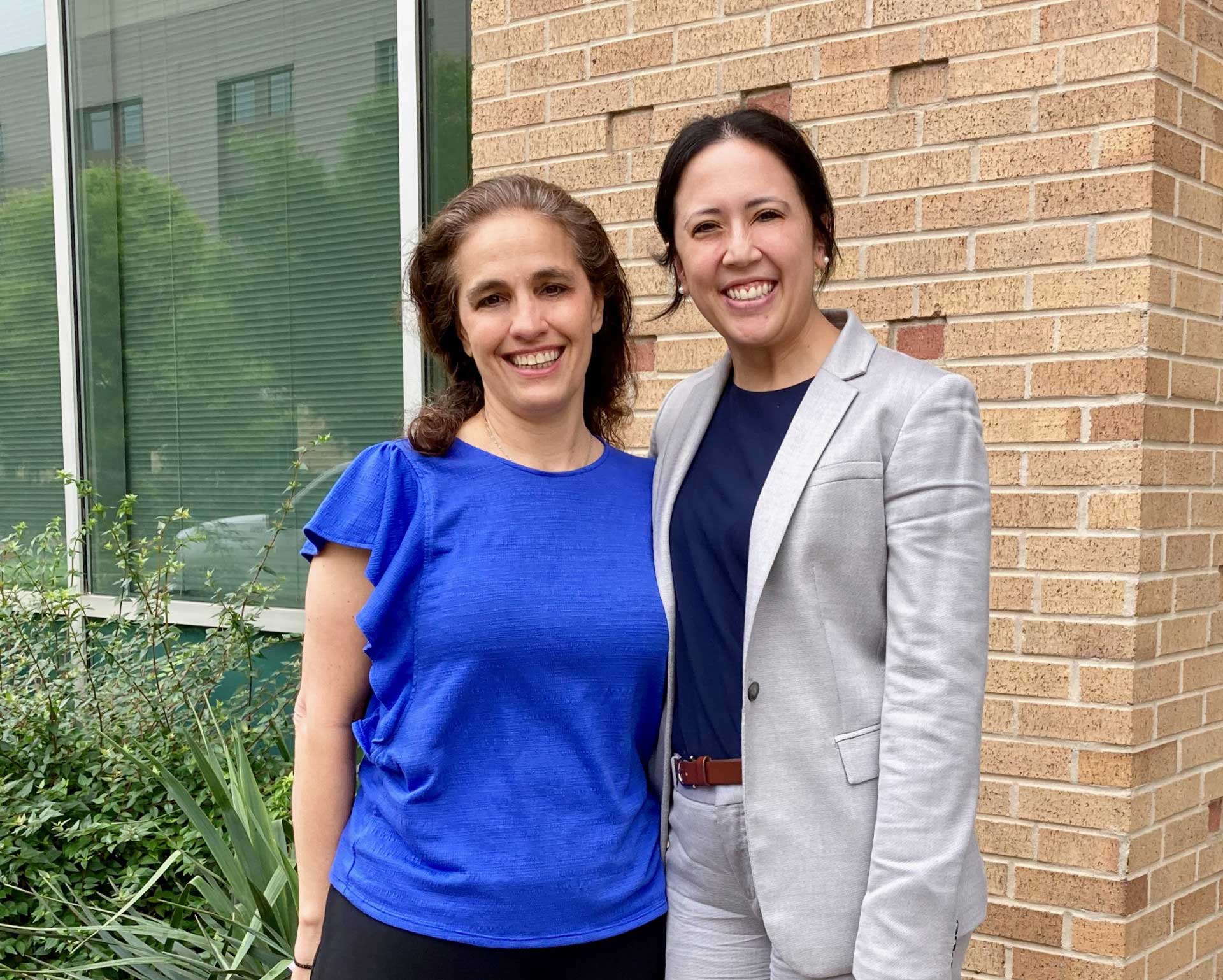

By: Mara Penne, MD
Editor’s Note: Fertility awareness-based methods (FABMs) are growing in popularity for family planning and for their clinical applications. Through this interview, Dr. Mara Penne met a user of multiple FABMs who then chose to become an instructor for the Fertility Education & Medical Management (FEMM), a sympto-hormonal method. Although studies of the method’s effectiveness to avoid and achieve pregnancy are still in progress, FEMM has multiple benefits for reproductive and health monitoring as well. The free FEMM application (app) can also be used to track menses, symptom trends, hormones, and more.
Empowered with Knowledge
Mrs. F began using the Creighton Model about ten years ago, shortly after the birth of her second child. She had suffered from chronic pelvic pain for years. Although she saw many doctors in search of a diagnosis, she never felt able to understand her body or make informed decisions about her care. She was frequently offered hormonal birth control to treat the pain, but this resulted in significant side effects. On several occasions, she “felt like a hypochondriac” at her doctors’ offices. After many years of suffering through both the pain and medication side effects, a friend introduced her to NaProTechnology and the Creighton Model. Not only did the use of FABMs help lead to a correct diagnosis, but with this additional knowledge about her body, she felt more empowered as a participant in her own healthcare decisions.
An Easy Transition
As a new user of FABMs, Mrs. F worked with a Creighton instructor. She was encouraged by how easy it was to learn and practice the methods herself, and quickly became a very confident and independent user. She gained insight into her body’s patterns and recalls feeling amazed as she became equipped with knowledge that she never realized was available to her.
She has since become a user of FEMM, and initially mostly tracked her cervical mucus. Later on, she learned about tracking basal body temperature, and after additional training, added that observation to use alongside FEMM. For her, the additional data points with each cycle provide even more information and confidence.
She is a proponent of all FABMs, but after trying multiple methods, she believes exposure and education about many methods can help individual users identify which is best suited for them.

Sharing Her Skills
While using FABMs to monitor her reproductive cycles, Mrs. F noticed that many of her friends had the same unmet needs and were generally uninformed about their own cycles. She found herself in numerous lengthy conversations about FABMs, and realized she could help many women as a formal teacher of FEMM. She decided to work with one of her friends as a “practice client” trying to achieve pregnancy, and with the right information and tools, she became pregnant in the first month! This experience inspired Mrs. F to take a formal training course and become a FEMM teacher. She has even helped her teenage daughter learn FEMM in order to predict the timing of menses. She and her clients find FABMs to be versatile for a wide range of needs.
Her approach to teaching is to make things as simple as possible. She finds that many women are “self-taught” through a mishmash of online resources, making the rules confusing and difficult to follow, and thus the results less successful. In her experience, these previously self-taught users tend to take longer to correctly adopt the methods she teaches. She believes in choosing one method and strictly committing to it, which is often easiest to do with a formal educator.
Expanding the Audience
Mrs. F believes there is a lack of awareness of FABMs, both in the general population and in the medical community. In her practice, she has successfully used social media to recruit new users; however, she knows she is still only reaching a very small audience. She continues to advocate for these methods to be taught to students learning about different forms of contraception, whether in high school health classes or in medical school. In line with this goal, she plans to share the methods with a middle school class in the coming year.
In her experience, many physicians continue to view the methods as unreliable. Several of her clients have even admitted to telling their doctors they are using other methods in order to avoid a difficult conversation. It is her hope that with additional exposure, a larger population will observe and experience the same success that she and her clients have enjoyed.
Editor’s Note: Are you looking for an instructor that teaches a particular FABM? You can now search the FACTS Directory to find someone in your local area. The FACTS Directory also provides an opportunity for instructors and medical professionals trained in FABMs to list their practice at no cost. Learn more here, and follow the links below to discover more about FEMM.
- FABM Spotlight: Fertility Education and Medical Management (FEMM)
- A Woman Empowered by FABMs: How Charting Transforms Lives
ABOUT THE AUTHOR
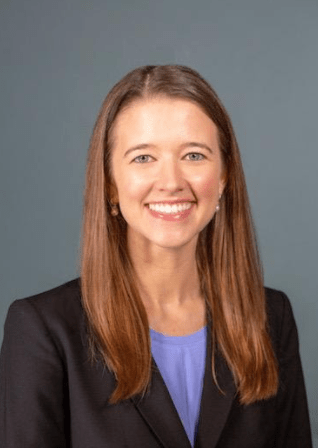
Mara Penne, MD
Mara Penne, MD completed this interview while on the FACTS elective as a fourth-year medical student at Georgetown University School of Medicine in Washington, DC.
She is now an ophthalmology resident at Wills Eye Hospital at Thomas Jefferson University. Dr. Penne has a strong interest in women’s health.
Inspired by what you read?
You can support the ongoing work of FACTS here. To connect with a member of our team, please email development@FACTSaboutFertility.org. Interested in becoming an individual or organizational member? You can learn more and register here. To discuss with a member of our team, please email membership@FACTSaboutFertility.org.